
I used to measure myself by distance and speed.
Hundreds of kilometers cycled each week. Long nights on mountain trails. The thrill of pushing body and mind beyond comfort.
In my twenties, I climbed like I was late for a bus.
Whether it was in the military, early teaching roles, or starting my first consulting gigs, the strategy was simple: lean forward, ignore the burning in the legs, and do not stop until the summit is reached.
I treated my career, my health, and my relationships as a series of sprints.
If I felt tired, I drank more coffee.
If a project got heavy, I applied more force.
It worked, for a while.
Then the terrain changed.
Turning forty shifted the ground beneath me. Injuries, heart issues, and a body that no longer obeyed my ambitions forced me to confront an uncomfortable truth: the spirit may burn, but the vessel weakens.
The slow climb is not about giving up.
It is about adaptation.
It is about realizing that as we age, we stay in the game not by pushing harder, but by changing how we climb.
Table of Contents
When the Body Says No
For two years, I was bitter.
My back gave out, taking with it the freedom of long rides and the easy joy of physical activity. I sulked, grouchy and resentful, until I found compromise in a recumbent bike.
It was not the same.
But it gave me motion again.
Later, a diagnosis of a weakening heart valve forced me to slow even further. Keep my heart rate under 150, or risk blacking out.
Imagine trying to chase adventure with that leash.
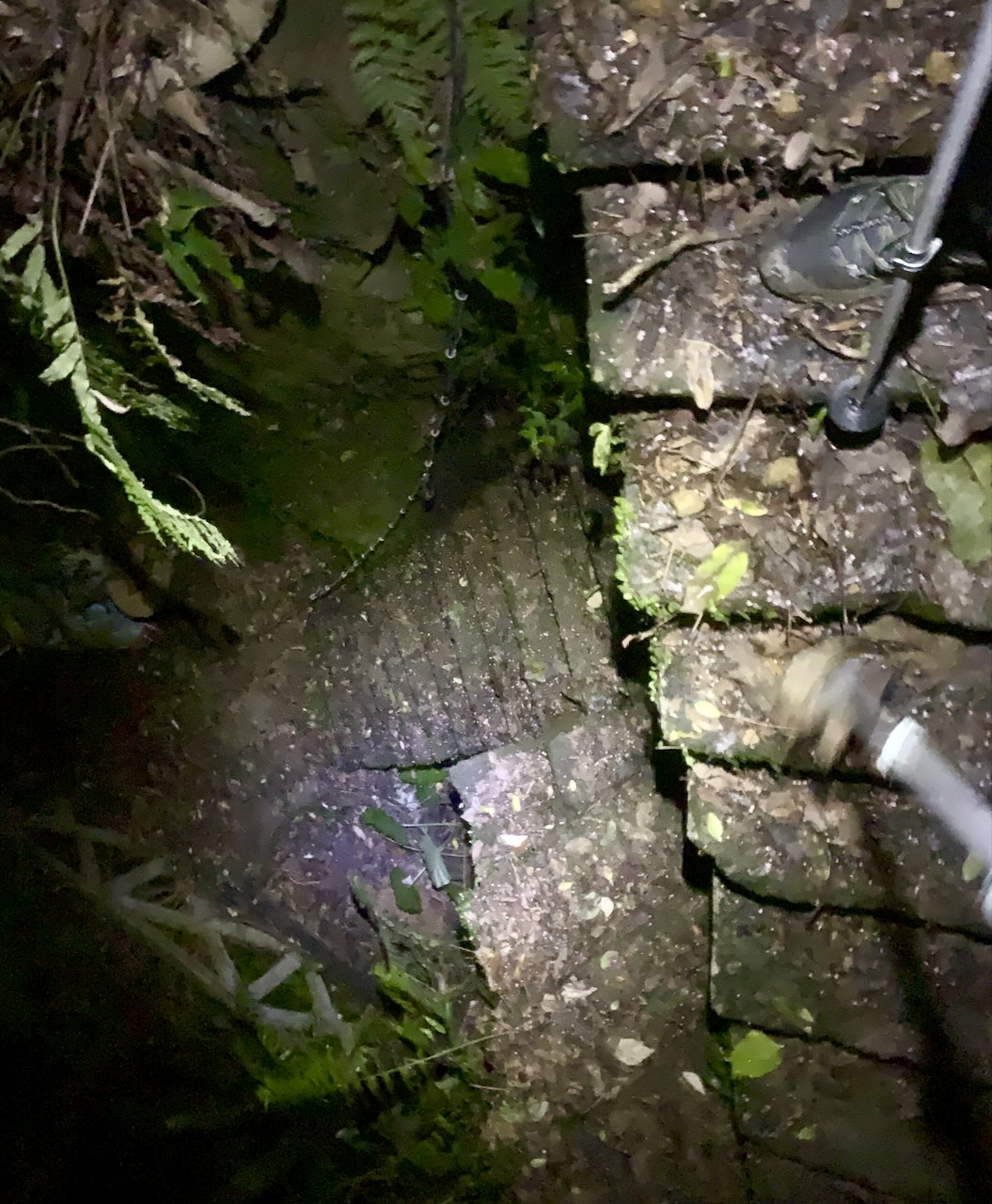
Balance betrayed me, too. Out of nowhere, I would stumble. Sometimes fall. Night hikes on risky terrain, once one of my favorite things, had to end.
I hated that concession.
But survival demanded it.
The same pattern showed up in work.
For years, my identity was tied to being the person who could outwork the problem. I thought resilience was just a fancier way to say “not quitting.”
When I transitioned from the military into the civilian world, I brought that same intensity with me. I was rebuilding after financial strain and burnout, yet I kept using the same tools that helped create the collapse in the first place.
I was operating on the premise that volume equaled value.
Then came the realization.
I was sitting in a cafe, looking at a mounting list of tasks, and I felt a physical aversion to the screen.
It was not laziness.
It was not boredom.
It was a systemic rejection.
My body and mind were telling me the sprint was over.
The technical term is burnout, but at the time it felt like I was losing my edge. I was terrified that I was becoming obsolete because I could not sustain the red-line pace anymore.

Redefining Achievement
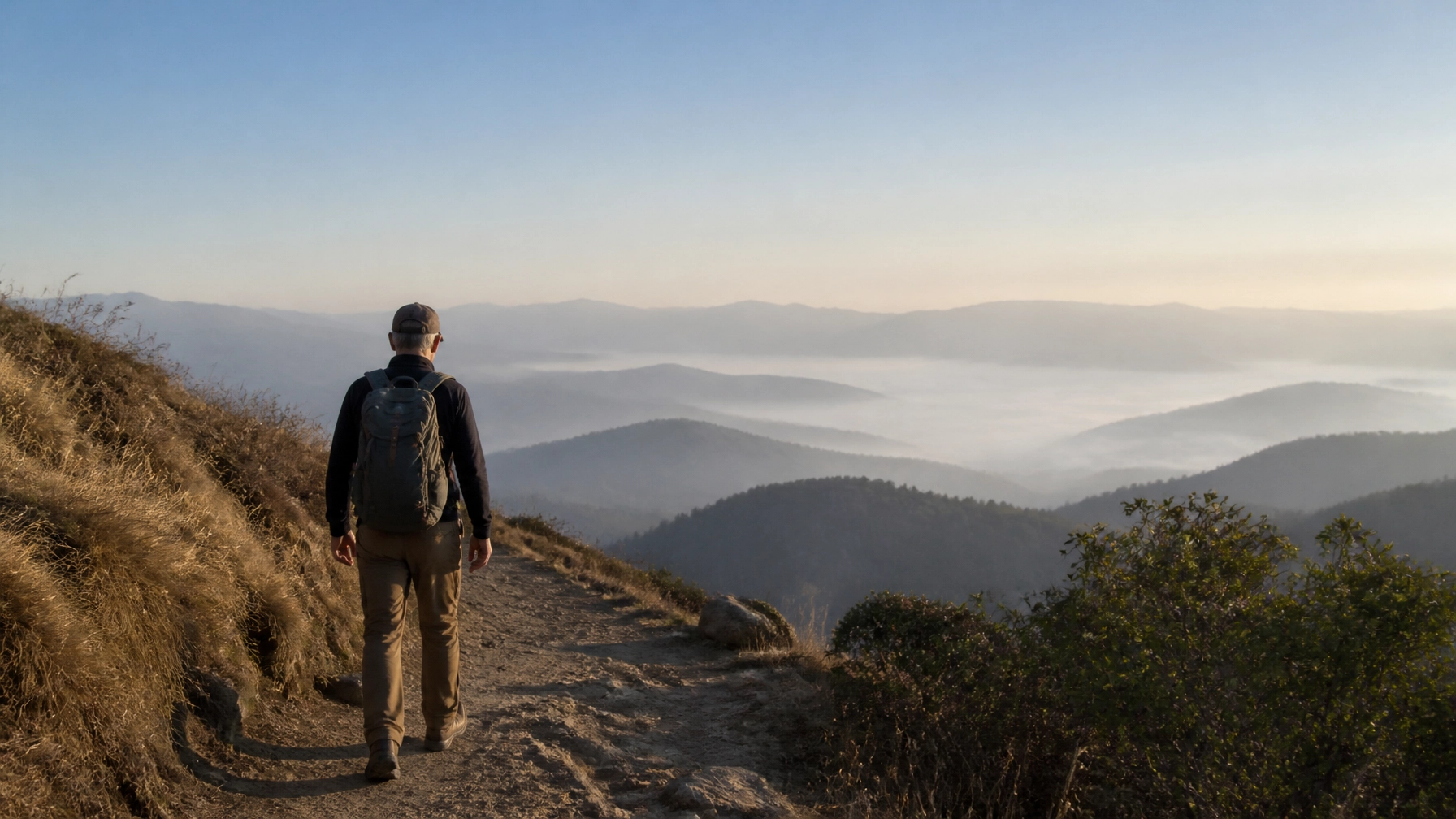
I still climb hills.
But now my pace is deliberate.
Step, breath.
Step, breath.
No more racing. No more flying past others. Just slow, steady ascent.
When I reach the top without stopping, pride fills me, not because I conquered the mountain, but because I outlasted my limits.
This is the new measure of achievement: not speed, not distance, but presence.
Staying in the game when the rules change.
That shift has been uncomfortable because my earlier self found meaning in extremes. Push further. Work longer. Ride harder. Prove capacity through endurance.
Now, meaning comes from continuity.
Showing up, even imperfectly.
The Multi-Pitch Metaphor
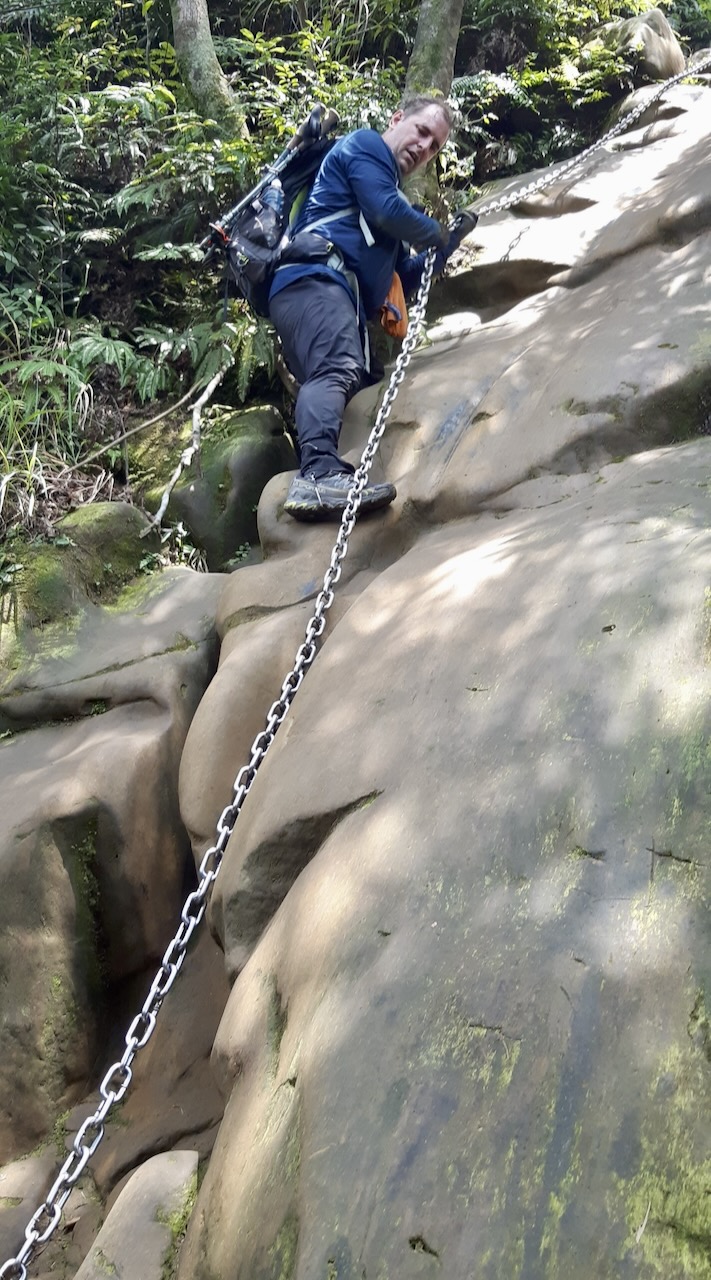
When you watch professional mountain guides, they do not run up the rock.
They move with a deliberate, rhythmic pace. They protect judgment. They manage risk. They know the climb is not only about the next move, but about staying capable for the moves after that.
They follow what many call the 70:30 rule.
They keep about 70% of their energy in reserve for themselves, to maintain safety, judgment, and perspective, and use only 30% for the output.
If they use 100%, they cannot help anyone when the weather turns.
That idea revealed three hard truths about aging, leadership, and life.
- The formula must change. The traits that may help you succeed in your twenties, grinding, saying yes to everything, over-functioning, can become the exact traits that burn you out in your forties and fifties.
- Recovery is a discipline, not a luxury. In a technical climb, the rest between pitches is where the blood returns to the muscles and the mind clears. If you skip the rest, you make mistakes on the next pitch.
- You need a rope team. I used to think of leadership as a solo ascent. I understand now that staying in the game requires trusted peers, mentors, family, and partners who can hold the line when you slip and offer a different perspective when your internal weather is off.

Why Slowing Down Matters
We live in a culture that idolizes hustle.
We are told to optimize every minute.
But optimization for speed is often the enemy of optimization for longevity.
If you are a leader, entrepreneur, parent, partner, teacher, or friend, your responsibility is not only to produce. It is to remain effective enough to keep serving the people and work that matter.
You cannot lead well from total depletion.
You cannot love well when every part of you is running on fumes.
You cannot make wise decisions when you are always gasping for air and staring only at the next six inches of rock.
Clarity comes from breathing room.
Staying in the game matters because the most meaningful work takes time: deep relationships, stronger health, better judgment, family presence, sustainable leadership, and the kind of personal change that actually compounds.
It is a slow climb.
Purpose in Adaptation
My slowing body has not dulled my desire.
In some ways, the hunger has sharpened.
I want more health, not less. More strength, not retreat. Not to prove my worth, but to remain present for my family and friends.
I want to play with my kids.
I want to laugh with them on hikes.
I want to be the one encouraging others as they struggle, even if I am the slowest person in the group.
That is the part aging has clarified.
Aging is not only loss. It is an invitation to realign purpose.
My earlier self found meaning in competition with my own endurance. My current self is learning to find meaning in deliberate continuity.
This shift echoes my guiding philosophy: live fully by living deliberately.
It means embracing different ways of measuring success. It means learning from failure and redesigning my life when old models break.
In leadership, I teach that sustainable ownership depends on resilience, trust, and adaptive choices.
Aging has made that personal.
Vision alignment now means anchoring ambition in values rather than past performance. Adaptive resilience means finding joy in slower hikes, step-breath climbs, and the stubborn refusal to quit wisely.
What I Am Doing Differently
Staying in the game requires a shift from perform mode to grow mode.
Here is how I am retooling the climb.
1. Listen to the body before it shouts
My heart, back, knees, and balance are not betrayals. They are signals.
They remind me that life is not endless, and therefore more precious.
I am learning to notice irritation, poor sleep, racing thoughts, unusual fatigue, and the quiet resentment that appears when I have ignored recovery too long.
The goal is not to wait for collapse.
The goal is to adjust before collapse becomes the teacher.
2. Schedule recovery like real work
I used to think self-care was something I could do if time was left over.
That was a poor system.
Now, recovery has to live on the calendar. No-meeting blocks. Hikes. Earlier nights. Slower mornings when needed. Time away from the screen before my mind turns into wet cardboard.
This is not laziness.
It is infrastructure.
If recovery is not protected, the climb consumes it.

3. Choose effectiveness before efficiency
In early career mode, efficiency often feels like the main question: how much can I get done in an hour?
As I age, effectiveness matters more: is this the right thing to be doing at all?
That means saying no to high-intensity, low-impact work that drains reserves without creating meaningful value.
It means focusing energy where lived experience, judgment, relationships, and calm presence matter most.
It means accepting that the fastest path is not always the wisest path.
4. Let pride pivot
There is pride in adapting.
There is pride in choosing sustainable ownership of my health rather than denial.
There is pride in reaching the top slowly, breathing hard, and still coming home safely.
The old pride was conquest.
The new pride is continuity.
5. Stop climbing alone
Support matters.
By slowing down, I create more room for others. I can encourage instead of compete. Support instead of rush ahead. Listen instead of prove.
Letting trusted people see the messy middle is not weakness. It is how a resilient life gets built.
No one stays in the game alone forever.
Looking Ahead
The future is not about reclaiming my twenties.
It is about refining my fifties, sixties, and beyond.
I want to be the steady hand for my kids. The laughing companion on a trail. The person who still shows up when it would be easier to stop.
Slowness is not failure.
It is endurance redefined.
Aging does not mean giving up. It means learning a new pace, one that values presence over performance and connection over conquest.
So I climb.
Slower than before.
But perhaps more alive than ever.
