Trust
-

Healthy relationships require honesty, attention, clarity, and mutual growth, adapting to change together.
-

Listening is essential for effective communication, trust, and problem-solving in professional relationships.
-

Remote leadership struggles with context-sharing, causing trust erosion and misalignment in decision-making.
-
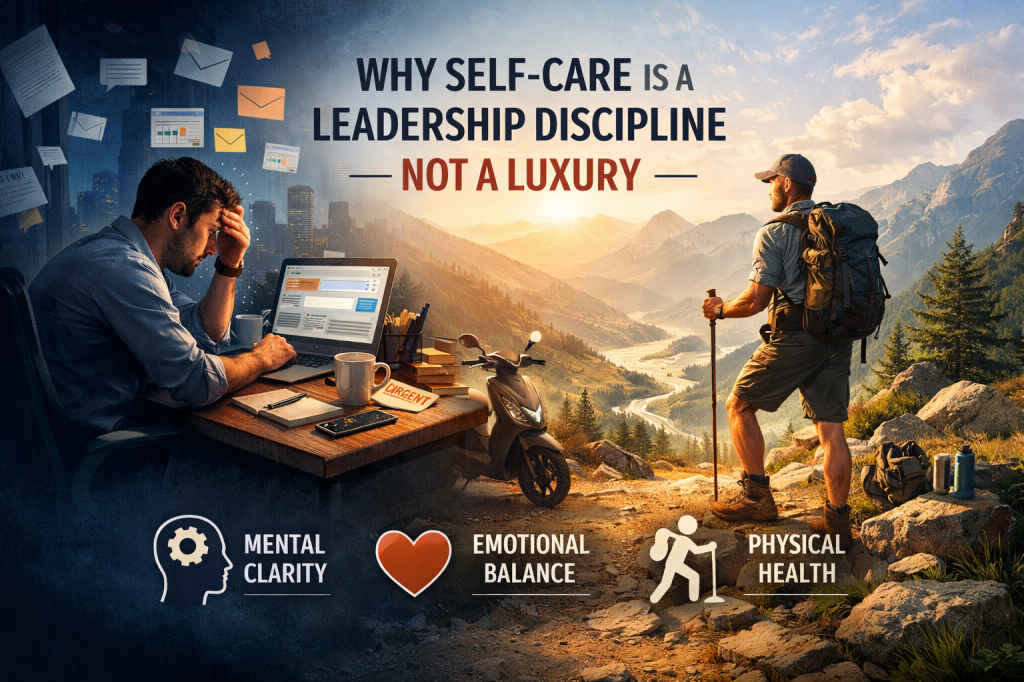
Protect mental clarity, honor boundaries, and treat self-care as strategic leadership responsibility, not indulgence
-

Effective ownership requires clarity, purpose, and recognition, fostering engagement and sustainable team success.
-
Striving for excellence in writing is crucial; complacency leads to mediocrity and loss of trust.
-

Automation can enhance efficiency, but must prioritize human connection and trust to succeed.
-

Remote leadership thrives on trust, culture, feedback, connection, and effective processes for success.
-

Authenticity and storytelling are essential for setting and sustaining organizational culture effectively.
-

My development approach evolved from strict discipline to prioritizing environments that foster trust and ownership.
