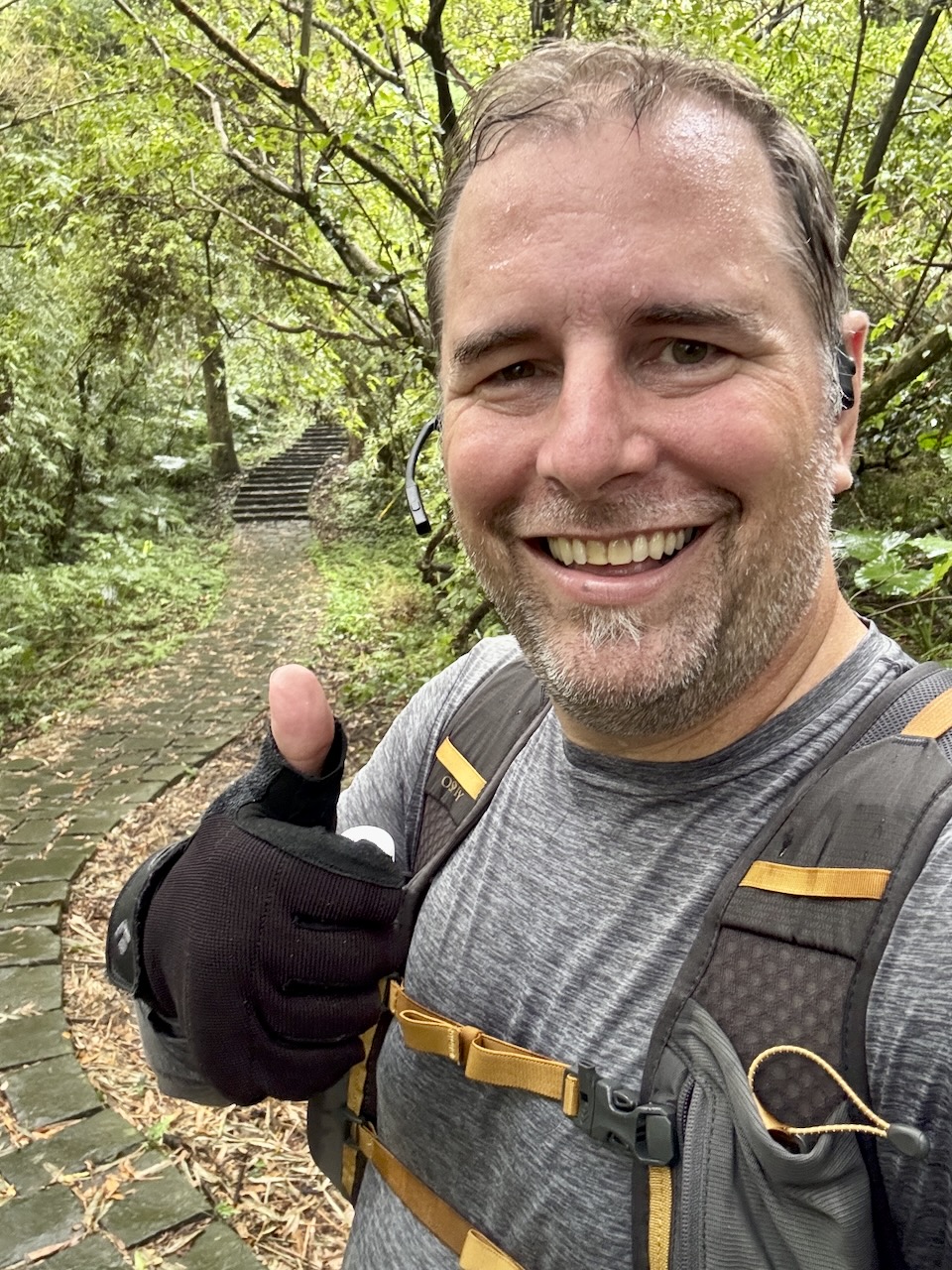
I used to measure myself by distance and speed. Hundreds of kilometers cycled each week, long nights on mountain trails, the thrill of pushing body and mind beyond comfort.
Those moments defined me.
But turning forty shifted the ground beneath me. Injuries, heart issues, and a body that no longer obeyed my ambitions forced me to confront an uncomfortable truth: the spirit may burn, but the vessel weakens.
When the Body Says No
For two years, I was bitter. My back gave out, taking with it the freedom of long rides and the easy joy of physical activity. I sulked, grouchy and resentful, until I found compromise in a recumbent bike. It wasn’t the same, but it gave me motion again.
Later, a diagnosis of a weakening heart valve forced me to slow even further. Keep my heart rate under 150 or risk blacking out.
Imagine trying to chase adventure with that leash.
Balance betrayed me, too. Out of nowhere, I’d stumble, sometimes fall. Night hikes on risky terrain, once my favorite, had to end. I hated that concession, but survival demanded it.

Redefining Achievement
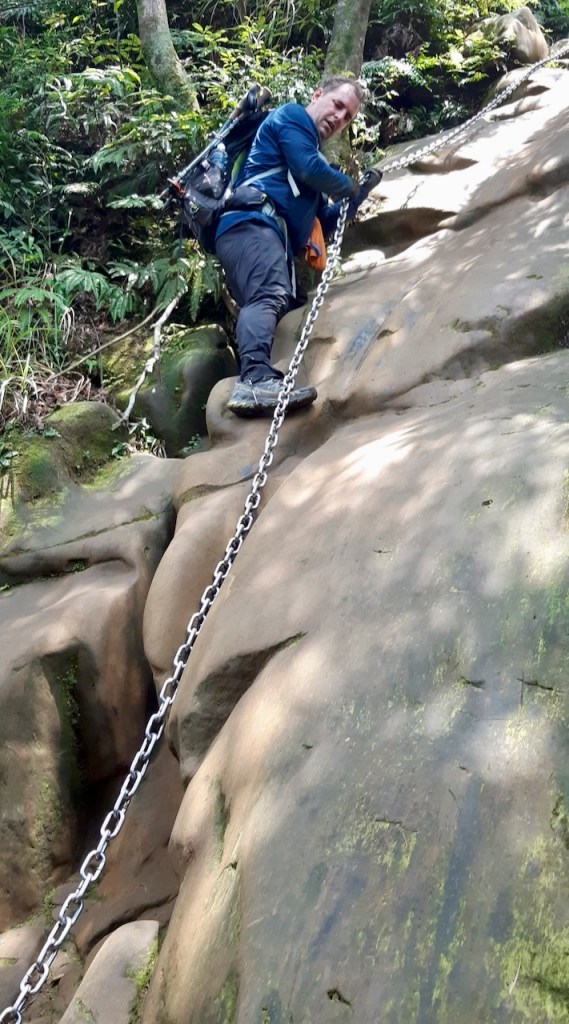
I still climb hills, but now my pace is deliberate. Step, breath. Step, breath. No more racing. No more flying past others.
Just slow, steady ascent. And when I reach the top without stopping, pride fills me, not because I conquered the mountain, but because I outlasted my limits.
This is the new measure of achievement: not speed, not distance, but presence. Staying in the game when the rules change.
Purpose in Adaptation
My slowing body has not dulled my desire. In fact, the hunger has sharpened. I want more health, not less. More strength, not retreat.
Not to prove worth, but to remain present for my family and friends. To play with my kids, to laugh with them on hikes, to be the one encouraging others as they struggle, even if I am the slowest in the group.
This shift reflects something deeper.
Aging is not only a loss. It is an invitation to realign purpose. My earlier self found meaning in extremes, in competition with my own endurance.
Now, meaning comes from continuity, showing up, even imperfectly.
Lessons from Slowing Down
- Pride can pivot. There is pride in adapting, in showing resilience, in choosing sustainable ownership of my health rather than denial.
- Limits are teachers. My heart, my back, my balance, they are not betrayals but signals. They remind me that life is not endless, and thus more precious.
- Support matters. By slowing down, I create space for others. I can encourage instead of compete, support instead of rush ahead.
Living Fully by Living Differently
This shift echoes my guiding philosophy: live fully by living differently.
I’ve carried this mantra across continents, careers, and crises. It means embracing alternative ways of measuring success. It means learning from failure and redesigning my life when old models break.
In leadership, I teach that sustainable ownership is about resilience, trust, and adaptive choices.
Aging has made this personal.
Vision alignment now means anchoring ambition in values, not in past performance. Adaptive resilience means finding joy in slower hikes, in step-breath climbs, in the stubborn refusal to quit.
Looking Ahead
The future will not be about reclaiming my twenties. It will be about refining my fifties, sixties, and beyond. I want to be the steady hand for my kids, the laughing companion on a trail, the one who still shows up when it would be easier to stop.
Slowness is not failure. It is endurance redefined.
Aging does not mean giving up, but rather learning a new pace; one that values presence over performance, connection over conquest.
And so I climb, slower than before, but perhaps more alive than ever.

Leave a comment